

Water damage can happen quickly, but the warning signs often appear long before major structural problems develop. In Tehama County, seasonal storms, aging plumbing, irrigation issues, and Sacramento River flooding concerns can all expose homes and businesses to unwanted moisture. Knowing what to watch for can help property owners act before minor water damage becomes a costly restoration project.
Quick Answer
The most common signs you need water damage restoration include persistent musty odors, visible water stains, warped flooring, peeling paint, mold growth, rising utility bills caused by hidden leaks, and soft or damaged drywall. Acting quickly helps reduce further damage and makes restoration more manageable.
What Local Readers Should Know
-
Water damage is often hidden behind walls, beneath flooring, or inside crawl spaces before visible damage appears.
-
Winter rainstorms and localized flooding in Tehama County can introduce water into homes through roofs, foundations, and crawl spaces.
-
Older homes in Red Bluff and nearby communities may have aging plumbing that increases the risk of hidden leaks.
-
Delaying professional drying can allow mold to begin developing within a relatively short period after water intrusion.
-
Early inspection can help identify the source of moisture before repairs become more extensive.
Why This Matters Locally
Water damage looks different depending on where you live. Properties throughout Red Bluff, Corning, Los Molinos, Cottonwood, and surrounding areas experience a combination of winter storms, occasional flooding, irrigation-related moisture, and aging infrastructure. Homes near the Sacramento River or areas with poor drainage may face additional risks during heavy rain.
Eric Pettinger Construction helps local property owners evaluate water damage and determine the most appropriate restoration approach before moisture creates larger structural concerns.
Local Field Observations
Based on common restoration work throughout Northern California, water damage frequently begins in places homeowners rarely inspect. Crawl spaces, attic insulation, behind washing machines, water heater closets, and around aging plumbing fixtures are common starting points.
Properties with older roofs or deferred maintenance often experience water intrusion after heavy winter storms. Businesses can also experience hidden leaks from commercial plumbing, HVAC condensate lines, or roof penetrations.
How Water Damage Affects Local Properties
Water damage affects more than appearance. Moisture can weaken framing, damage insulation, deteriorate drywall, warp flooring, and encourage mold growth. Left untreated, repairs often become more extensive and disruptive.
For local homeowners, this may mean replacing flooring or repairing damaged walls. For businesses, water damage can interrupt operations, affect indoor air quality, and require temporary closures during restoration.
Warning Signs
1. Persistent Musty Odors
A lingering musty smell often indicates hidden moisture behind walls, beneath flooring, or inside crawl spaces. Even if no water is visible, the odor may signal ongoing moisture problems.
2. Water Stains on Walls or Ceilings
Brown, yellow, or discolored stains usually indicate water intrusion. These stains often appear after roof leaks, plumbing failures, or overflowing fixtures.
3. Warped or Buckling Floors
Wood flooring, laminate, and even some vinyl flooring can expand after prolonged moisture exposure. Uneven surfaces should be inspected before additional damage develops.
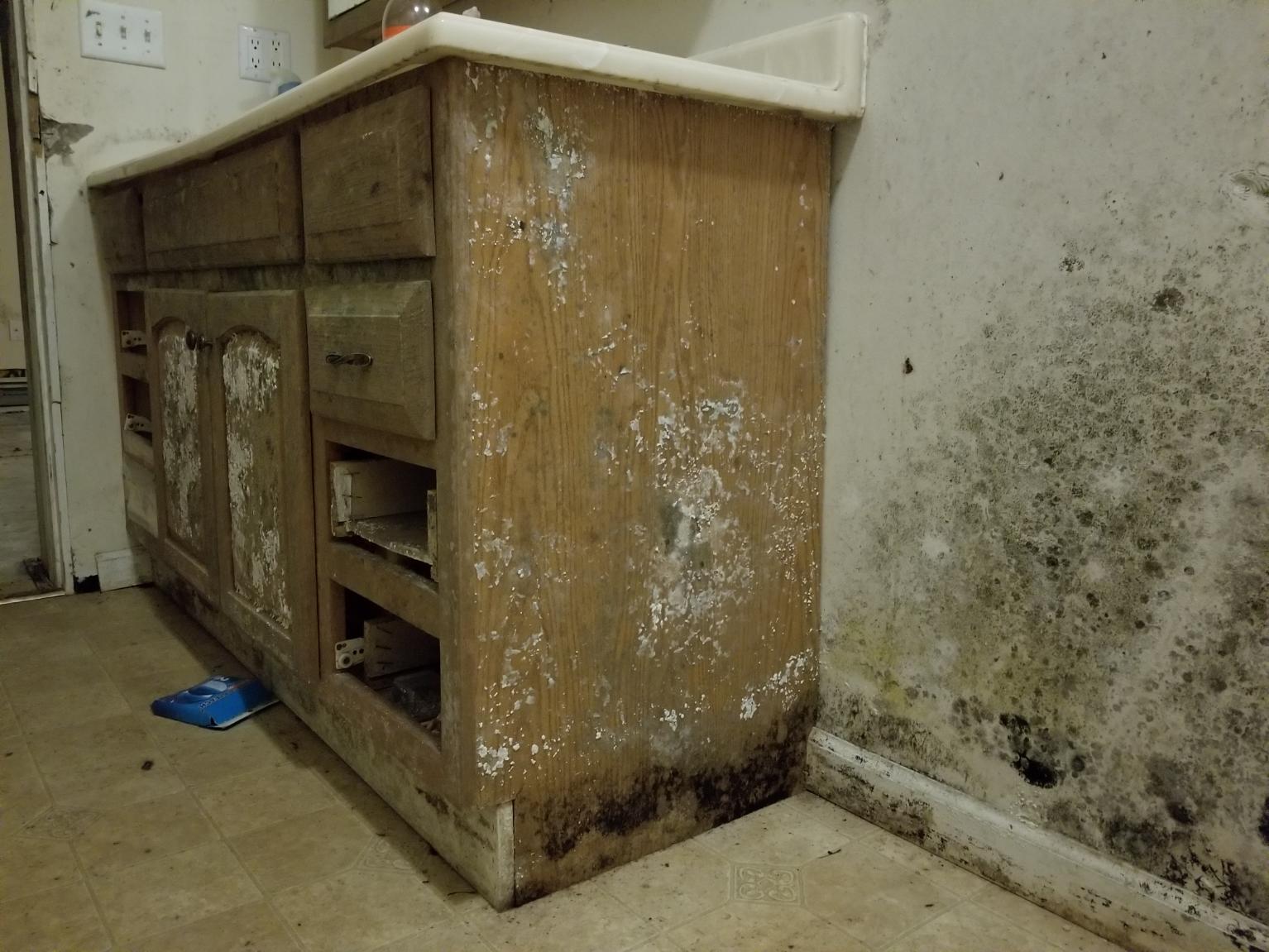
4. Peeling Paint or Bubbling Drywall
Moisture trapped behind painted surfaces causes finishes to separate from drywall. This often points to hidden plumbing leaks or roof issues.
5. Mold Growth
Visible mold should never be ignored. Small patches may indicate a larger moisture issue hidden inside walls or beneath flooring.
6. Soft Drywall or Sagging Ceilings
Drywall loses strength after prolonged water exposure. Soft spots or sagging ceilings require prompt evaluation because they may indicate ongoing leaks.
7. Unexplained Increase in Water Bills
A higher-than-normal water bill without increased usage may suggest a hidden plumbing leak somewhere inside the property.
When to Call a Professional
Professional restoration is recommended whenever water has soaked building materials, entered wall cavities, affected insulation, or remained present for more than a brief period. Small surface spills that dry completely may be manageable, but hidden moisture requires specialized equipment to locate and remove.
If flooding has affected your home, sewage is involved, or structural materials have become saturated, professional restoration is the safest option.
Common Local Causes
Several factors commonly contribute to water damage throughout Tehama County.
Winter Storms
Heavy seasonal rain can expose roofing weaknesses, clogged gutters, and drainage problems.
Plumbing Failures
Older plumbing systems may develop leaks around fittings, supply lines, or aging pipes.
Water Heater Problems
Water heaters can fail unexpectedly, releasing significant amounts of water into nearby rooms.
Appliance Leaks
Dishwashers, refrigerators, washing machines, and ice makers are frequent sources of slow leaks that go unnoticed.
Foundation or Crawl Space Moisture
Poor drainage around foundations can allow water to collect beneath homes during wet weather.
Prevention and Maintenance
Property owners can reduce water damage risk with regular inspections.
-
Inspect roofs before the rainy season.
-
Clean gutters and downspouts regularly.
-
Check appliance supply lines annually.
-
Inspect water heaters for corrosion or leaks.
-
Look beneath sinks for moisture.
-
Maintain proper grading so water drains away from foundations.
-
Address small leaks before they become larger problems.
Expected Results from Restoration
Professional water damage restoration focuses on removing standing water, thoroughly drying affected materials, identifying hidden moisture, and restoring damaged building components when appropriate.
The overall timeline depends on the amount of water, affected materials, and how quickly restoration begins.
Common Mistakes
Mistake: Waiting several days before addressing water damage.
Consequence: Moisture spreads into additional materials, increasing repair costs.
Better Approach: Schedule an inspection as soon as water intrusion is discovered.
Mistake: Painting over water stains.
Consequence: The underlying leak remains active and damage continues.
Better Approach: Identify and repair the moisture source before cosmetic repairs.
Mistake: Using household fans alone after significant flooding.
Consequence: Hidden moisture remains inside walls or flooring.
Better Approach: Ensure affected materials are properly evaluated and dried.
Common Local Scenario
A homeowner in the Red Bluff area notices a small ceiling stain after several winter storms. Since the stain appears dry, it is ignored for several weeks. Eventually, the ceiling begins sagging, and mold develops inside the attic insulation. What began as a minor roof leak becomes a much larger restoration project because the hidden moisture remained untreated.
Related Service Solutions
Water damage restoration often involves several related services depending on the source of the problem.
-
Water extraction
-
Structural drying
-
Moisture inspections
-
Drywall repair
-
Flooring replacement
-
Mold remediation coordination when needed
-
Reconstruction of damaged building materials
Comparing Your Options
| Option | Best For | Limitations |
|---|---|---|
| DIY Cleanup | Small spills that dry immediately | May miss hidden moisture |
| Professional Water Restoration | Flooding, plumbing failures, hidden leaks | Requires inspection and specialized equipment |
| Waiting to See What Happens | No situations | Increases the risk of larger repairs and mold growth |
Service Areas
We proudly serve Red Bluff and communities throughout Tehama County, including Corning, Los Molinos, Gerber, Proberta, and nearby Northern California communities. Local experience helps us understand the regional conditions that contribute to water damage.
Cost of Ignoring the Issue
Ignoring water damage often allows moisture to spread into insulation, framing, flooring, and drywall. Small repairs may become major restoration projects if hidden water remains untreated. Acting early can help limit disruption and reduce overall repair needs.
Frequently Asked Questions
How quickly should I address water damage in Red Bluff?
The sooner water damage is addressed, the better. Prompt drying helps reduce additional damage to building materials and lowers the risk of mold growth.
Can heavy rain cause hidden water damage in Tehama County?
Yes. Winter storms can allow water to enter through damaged roofing, windows, foundations, or poorly maintained drainage systems.
Is every water stain a sign I need restoration?
Not always, but every stain should be investigated. Water stains usually indicate moisture has entered the building at some point and the source should be identified.
Can water damage exist without visible standing water?
Yes. Hidden leaks inside walls, crawl spaces, or ceilings may cause significant damage before water becomes visible.
What areas of a home are most vulnerable in Tehama County?
Roofs, crawl spaces, plumbing systems, water heater areas, laundry rooms, and foundations are among the most common locations where water damage develops.
Can older homes around Red Bluff have a higher risk?
Yes. Aging plumbing, older roofing materials, and previous repairs can increase the likelihood of leaks or hidden moisture problems.
What happens during a professional water damage inspection?
A professional inspection typically identifies the moisture source, evaluates affected materials, checks for hidden water, and recommends appropriate restoration steps.
Should I wait for damage to dry on its own?
No. Hidden moisture often remains trapped inside building materials even when surfaces appear dry.
Protect Your Property Before Minor Water Damage Becomes Major Repairs
Water damage rarely improves without action. Early inspection and restoration can help protect your home or business from more extensive repairs while restoring affected areas as efficiently as possible.